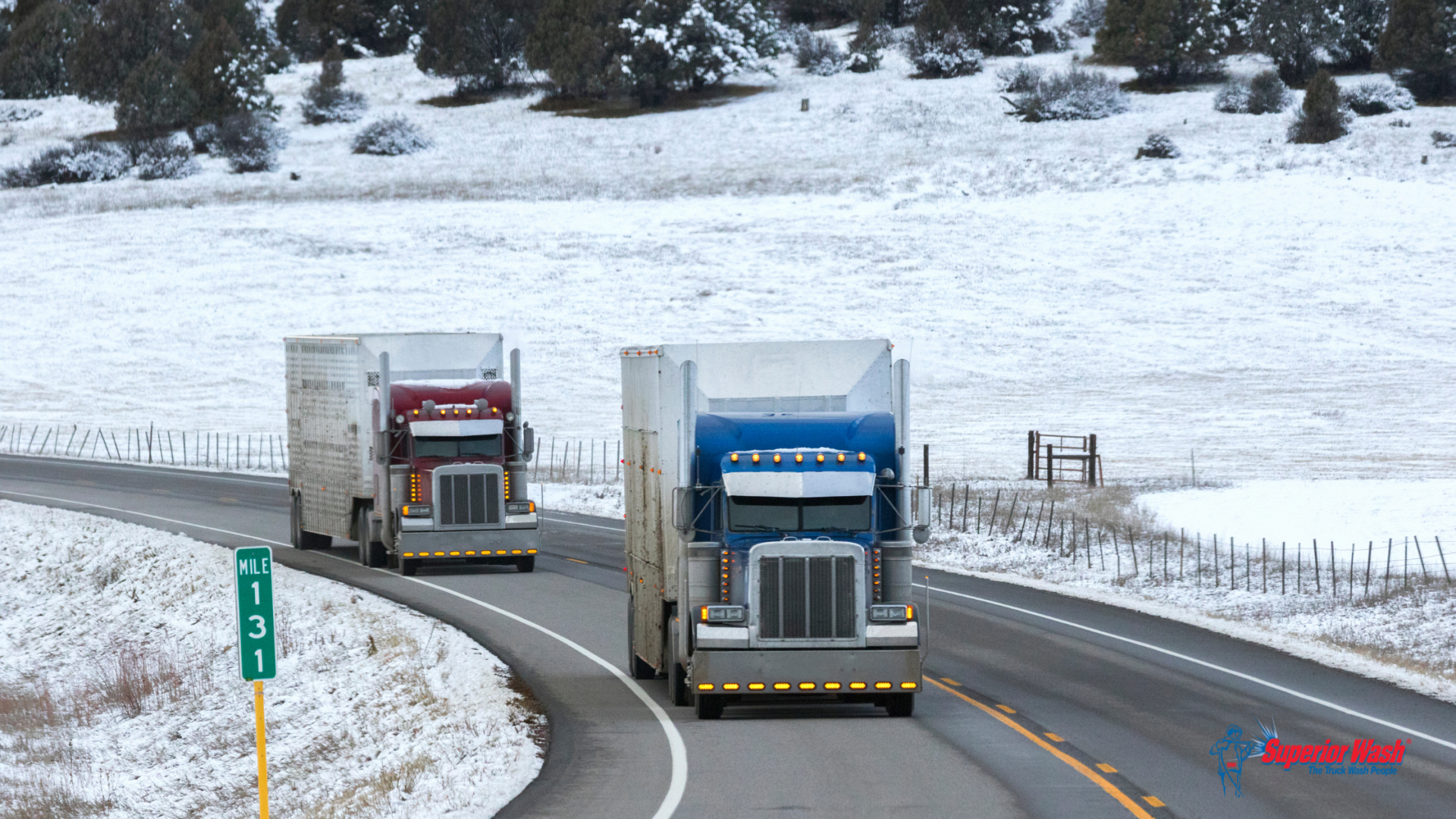
Winter weather in the Southeast may be less frequent than in northern regions, but when winter storms do occur, they can have an outsized impact on fleet vehicles. Snow, ice, and road treatments introduce conditions that many fleets in the region aren’t accustomed to managing on a regular basis.
Understanding how winter storms affect fleet cleanliness and equipment care helps operators protect their assets, maintain safety standards, and avoid unnecessary wear.
The Hidden Impact of Winter Storms on Fleet Vehicles
After a winter storm, the most visible effects are often grime and residue on vehicle exteriors. What’s less obvious is what’s happening beneath the surface.
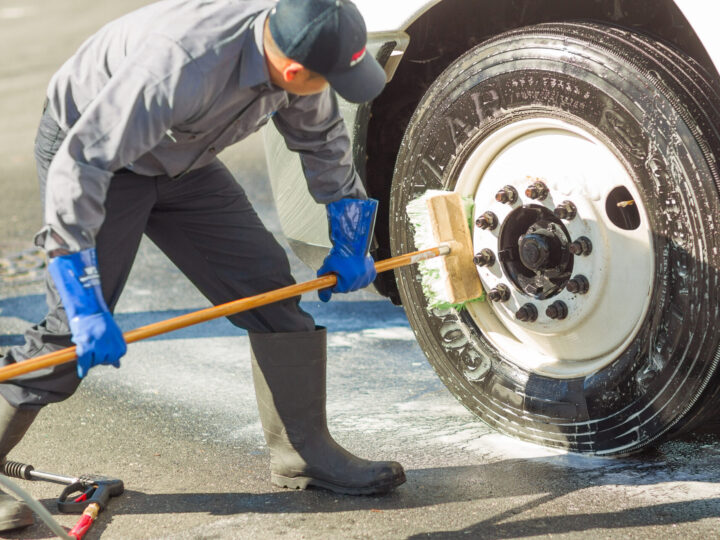
Road salt, brine, and de-icing chemicals are designed to melt ice quickly — but they don’t disappear when the roads clear. These materials cling to vehicle exteriors, wheels, and undercarriages, where they can accelerate corrosion and material breakdown if left untreated.
Moisture combined with grime also reduces visibility on windows, mirrors, and lights, which can impact driver safety long after a storm has passed.
Why Fleets in the Southeast Are Especially Vulnerable
Because winter conditions are less common in the Southeast, fleets may not have routines built around post-storm cleaning and inspection. Vehicles often return to normal routes quickly, while salt and residue remain in place for weeks.
Infrequent exposure doesn’t mean lower risk — it often means less preparation. When winter weather hits, residue buildup can be more concentrated and overlooked, increasing long-term wear on equipment.
The Role of Consistency After a Storm
 One of the most effective ways to protect fleet vehicles through seasonal changes is consistency.
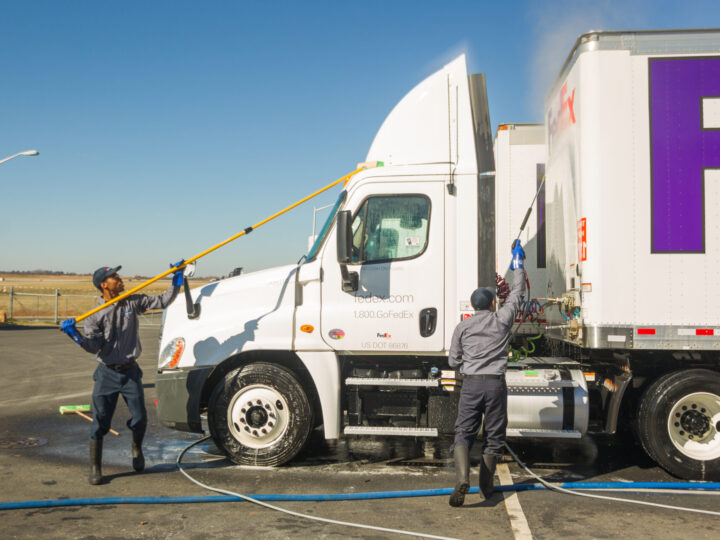
Routine fleet washing helps:
-
Remove corrosive road treatments before they cause damage
-
Reduce long-term wear on undercarriages, wheels, and components
-
Maintain visibility and safety for drivers
-
Preserve a professional appearance on the road
Waiting too long after a storm allows buildup to settle and harden, making removal more difficult and increasing the likelihood of damage over time.
Practical Post-Storm Considerations for Fleet Operators
After winter weather, fleet operators should prioritize:
-
Returning to normal wash schedules as soon as conditions allow
-
Paying special attention to wheels, wheel wells, and undercarriages
-
Ensuring windows, mirrors, and lights are fully clear of residue
-
Avoiding extended gaps between washes following road treatment exposure
Even in regions where winter storms are occasional, these steps can make a meaningful difference in equipment longevity and safety.
Planning for Seasonal Changes
Winter storms are a reminder that fleet maintenance doesn’t stop when conditions change — it adapts. Fleets that plan for seasonal impacts and maintain consistent care are better positioned to protect their equipment year-round.
In the Southeast, where winter weather is unpredictable, preparation and routine can help reduce long-term costs and keep fleets operating smoothly.